Clara Richter · 9 November 2026
Tracing the Evolution of Local Beekeeping Practices and Their Connection to Wildflower Preservation Efforts in Derbyshire's Derwent Valley
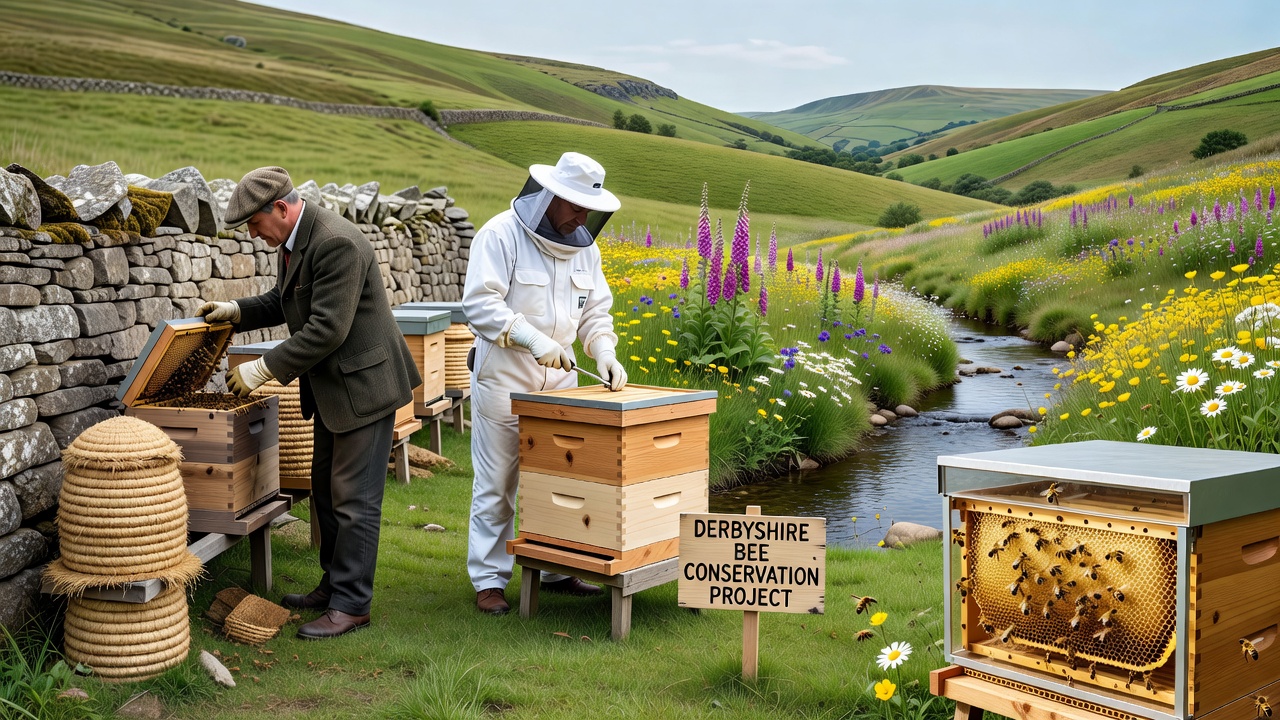
Beekeeping in Derbyshire's Derwent Valley stretches back centuries with records showing monastic communities maintaining straw skeps as early as the 1500s while local farmers integrated hives into mixed agricultural systems. Those early setups relied on natural swarm capture and seasonal harvesting that left sufficient stores for overwintering colonies yet the practices evolved alongside shifting land use patterns that reduced meadow acreage through the 19th century.
From Traditional Skeps to Frame Hives
By the late 1800s beekeepers in the valley adopted wooden frame hives after observing improved inspection capabilities and honey yields compared with skep methods yet many continued combining both approaches during transitional decades. Data from parish ledgers indicate colony numbers fluctuated with clover and heather availability because those plants supplied the primary nectar flows before widespread arable intensification altered floral diversity. Researchers at the University of Sheffield documented how valley keepers began selecting for disease-resistant strains in the early 20th century while maintaining hedgerow plantings that supported both bees and other pollinators.
Wildflower Corridors and Modern Preservation
Preservation efforts gained momentum when valley residents noticed declining hive productivity coinciding with meadow loss after World War II and several community groups responded by restoring field margins with native species such as knapweed and bird's-foot trefoil. These plantings created continuous foraging routes that linked fragmented habitats and allowed colonies to build stronger populations through extended seasons. According to the European Commission's biodiversity monitoring reports such linear habitats contribute measurable increases in pollinator abundance across similar European landscapes and local projects adapted those findings to Derwent Valley conditions.
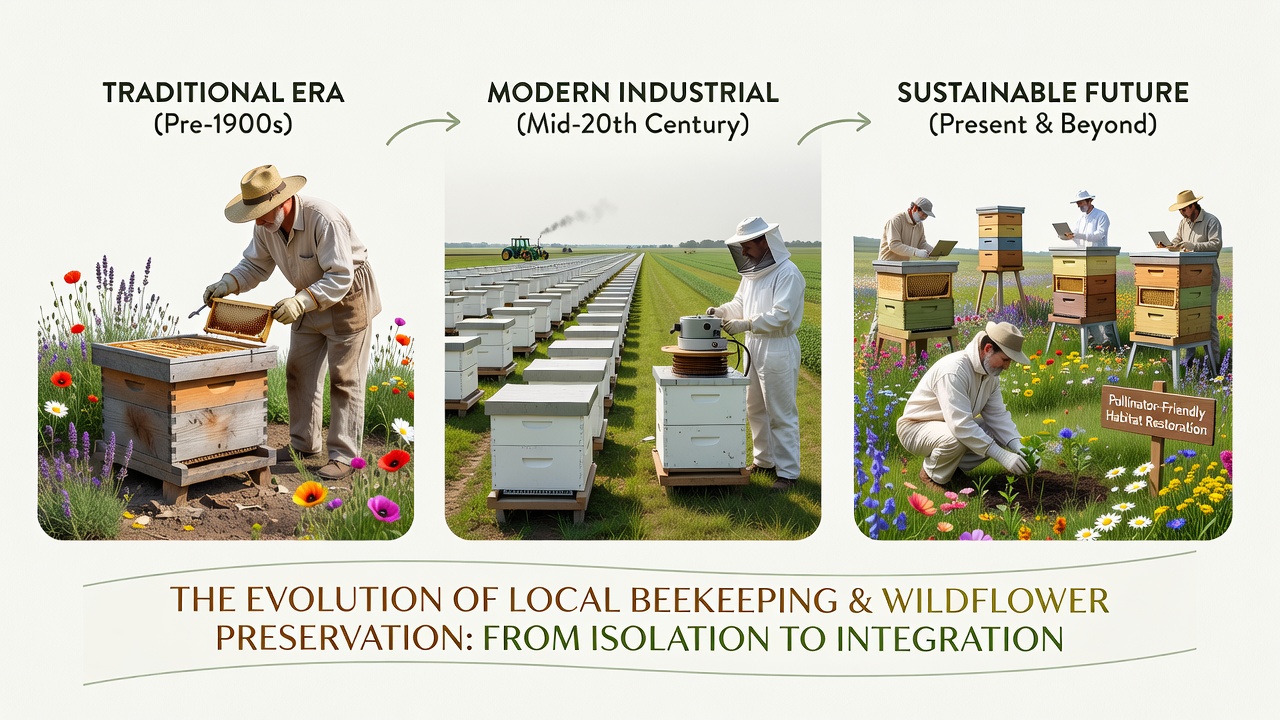
Current practices include rotational grazing that prevents grass dominance while permitting wildflower seeding plus targeted removal of invasive species that crowd out nectar sources. Beekeepers coordinate with landowners through shared mapping tools that identify high-value patches and schedule cutting dates after peak bloom to maximize seed set. November 2026 marks the scheduled start of a five-year habitat connectivity study funded through regional environmental partnerships and participants expect the work to quantify how restored corridors influence both honey yields and native bee diversity.
Community Monitoring and Data Collection
Valley residents track floral changes through annual surveys that record species presence and abundance at fixed points while hive monitoring apps log weight gains and varroa levels. Those combined datasets reveal correlations between meadow quality and colony survival rates that inform adaptive management decisions each season. One study coordinated with the Canadian Wildlife Federation compared similar restoration outcomes in temperate regions and found parallel benefits when hedgerow networks receive consistent maintenance over multiple years.
Conclusion
The interplay between evolving beekeeping methods and wildflower conservation continues to shape land management decisions across the Derwent Valley as keepers adapt techniques to support both productive hives and resilient ecosystems. Ongoing monitoring scheduled through 2026 and beyond provides the evidence base that guides these integrated efforts.