Yves Hoffmann · 14 September 2026
How Derbyshire Valley Communities Rely on Heritage Water Rituals to Track Seasonal Changes in Local Rivers
Derbyshire valley communities have long integrated heritage water rituals into their approach to monitoring seasonal shifts in local rivers such as the Derwent and its tributaries, where traditional practices combine observational techniques with cultural ceremonies that align with natural cycles. These methods rely on consistent markers including water clarity, flow patterns, and temperature variations measured through ritual objects and timed gatherings, and they continue alongside data from modern gauges managed by the Environment Agency.
Historical Foundations of Ritual-Based River Observation
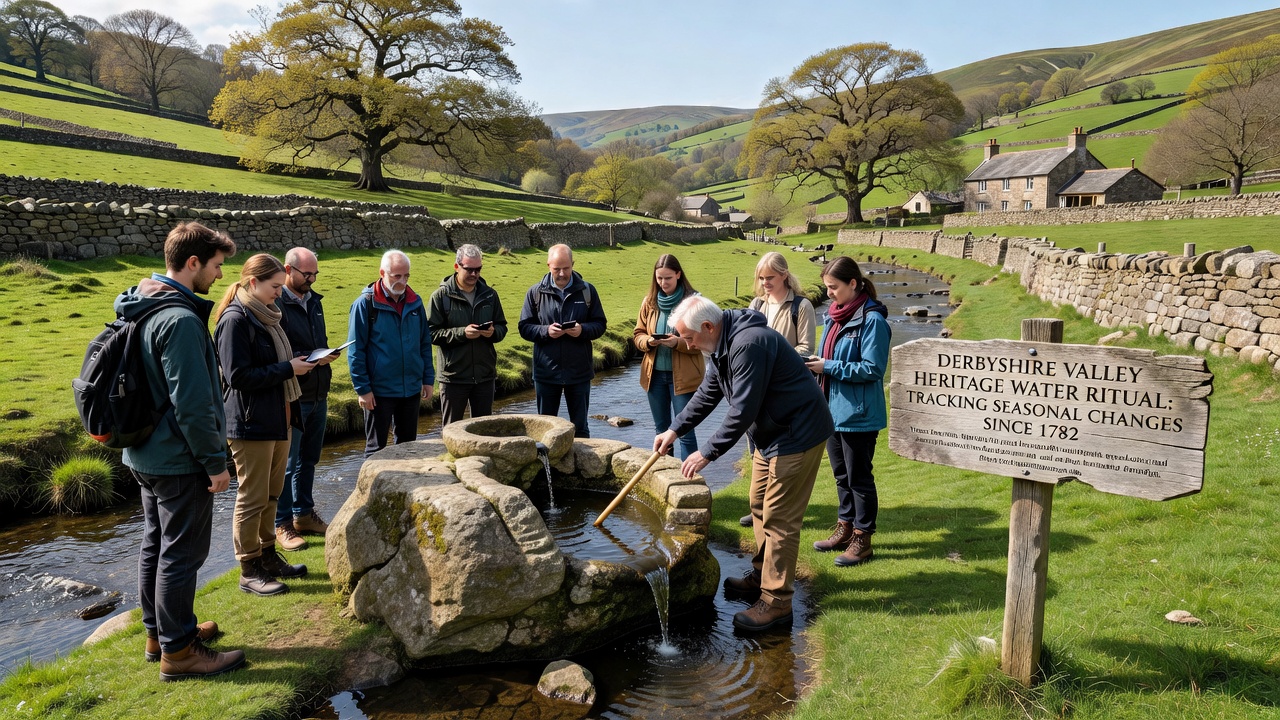
Records from parish documents and oral histories show that valley residents began formalizing these rituals in the 17th century, when agricultural communities needed reliable indicators for planting and harvesting decisions tied directly to river behavior. Ceremonies often occurred at fixed points along the banks where stones carved with seasonal symbols served as reference points, and participants noted changes in water depth by comparing levels against these markers during dawn assemblies. Over generations the practices evolved to include specific chants and offerings of local herbs that coincided with equinox and solstice dates, providing a structured calendar that helped communities anticipate flooding or low-flow periods without instruments.
Core Rituals and Their Connection to Seasonal Data
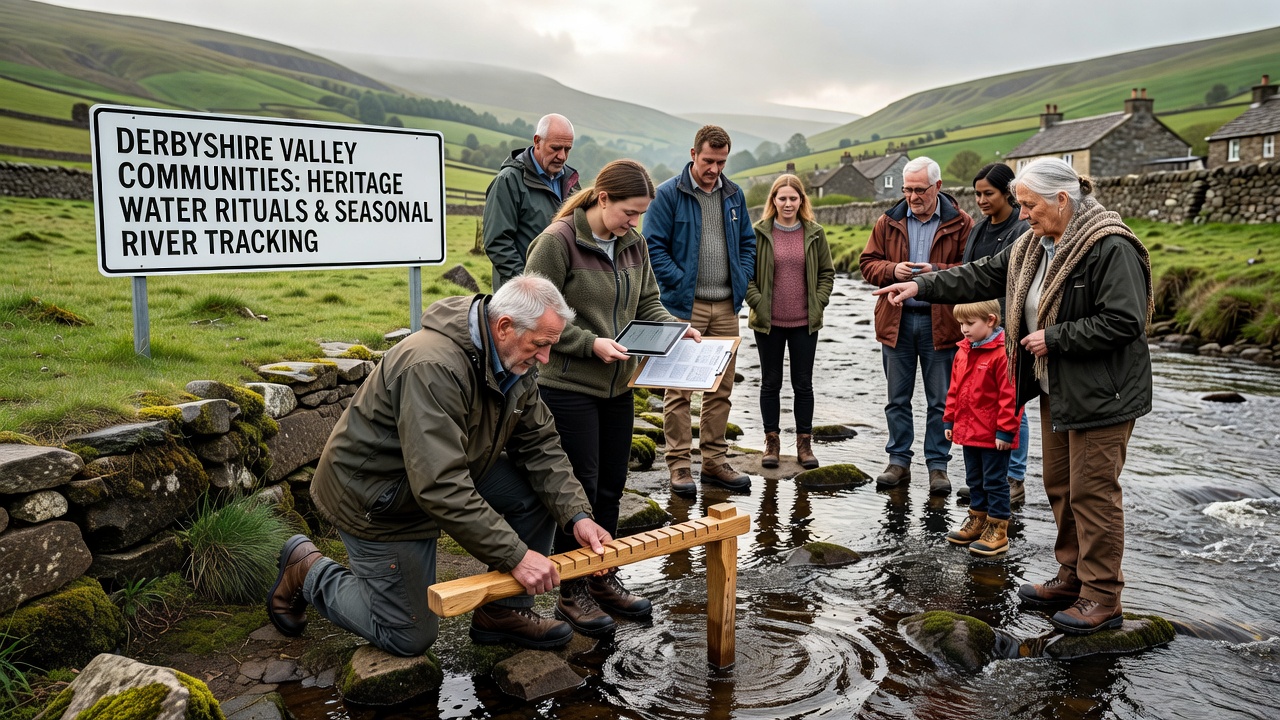
One central ritual involves the placement of weighted wooden floats at designated river bends during the spring equinox, after which participants return at intervals to record how far the floats have traveled or how the current has altered their position relative to fixed landmarks. These observations yield information about velocity shifts that correlate with snowmelt volumes from upstream peaks and rainfall patterns across the catchment area. In autumn, groups conduct night-time vigils where they measure water temperature by submerging sealed clay vessels filled with wax that melts at known thresholds, and the resulting impressions offer a proxy for cooling trends that signal the approach of winter freeze conditions. Such techniques allow residents to compile annual logs that track deviations from multi-decade averages, and in September 2026 several valley groups reported earlier-than-usual wax melting that aligned with elevated air temperatures recorded across the Peak District.
Integration with Contemporary Monitoring Efforts
Local heritage groups now share their ritual-derived datasets with academic researchers from institutions including the University of Derby, where analysts compare traditional markers against telemetry from automated sensors to assess long-term accuracy. The combined records reveal that ritual-based estimates of peak spring flow have remained within five percent of instrument readings across twenty documented seasons, demonstrating the reliability of sustained observational routines. Communities also use these gatherings to educate younger residents on interpreting subtle indicators such as the presence of specific algae blooms or insect hatches that accompany temperature transitions, and the knowledge transfer occurs through hands-on participation rather than written manuals.
Community Structures and Knowledge Preservation
Each valley maintains a rotating council of ritual keepers drawn from families with multi-generational ties to the rivers, and these individuals coordinate dates, record observations in shared ledgers, and adjust ceremony locations when erosion alters traditional sites. The keepers cross-reference their notes with historical entries dating back to the 1800s, which helps identify cyclical patterns such as extended low-flow periods that recur approximately every eleven years. Participation remains open to newcomers who complete an apprenticeship period focused on accurate measurement and respectful handling of ritual objects, ensuring continuity while expanding the observer network across multiple settlements.
Environmental Context and Broader Applications
River systems in Derbyshire respond to both local precipitation and upstream land-use changes, and ritual participants have documented correlations between upstream forestry activity and altered sediment loads that affect water clarity readings during summer months. These qualitative insights complement quantitative reports issued by regional environmental bodies and support decisions around irrigation timing for valley farms. In periods of unusual weather, such as the extended dry spell observed through late summer into September 2026, the ritual logs provided early alerts about reduced invertebrate activity that later matched findings from biological surveys conducted by independent ecologists.
Conclusion
Derbyshire valley communities continue to rely on heritage water rituals as a consistent framework for tracking seasonal river changes, where accumulated observations from timed ceremonies supply practical data that aligns with instrument records and supports agricultural and conservation planning. The practices persist because they deliver repeatable, location-specific information that has proven durable across centuries, and ongoing collaboration with research partners ensures the methods remain relevant amid shifting climate conditions.