Viktor Powell · 26 October 2026
How Community Libraries Sparked Literacy Growth in Derbyshire's Rural Districts
Community libraries across Derbyshire's rural districts have expanded access to reading materials and educational programs since the early 2010s, and these efforts align with measurable rises in local literacy metrics. Data from regional education authorities shows adult literacy rates in areas such as the Peak District and Amber Valley climbing from 82 percent in 2012 to 91 percent by 2024, while children's reading proficiency scores improved by 14 points on standardized assessments during the same period. Volunteers and local councils established mobile lending services and after-school clubs that reached isolated hamlets where traditional library branches remained out of reach.
Expansion of Rural Library Networks
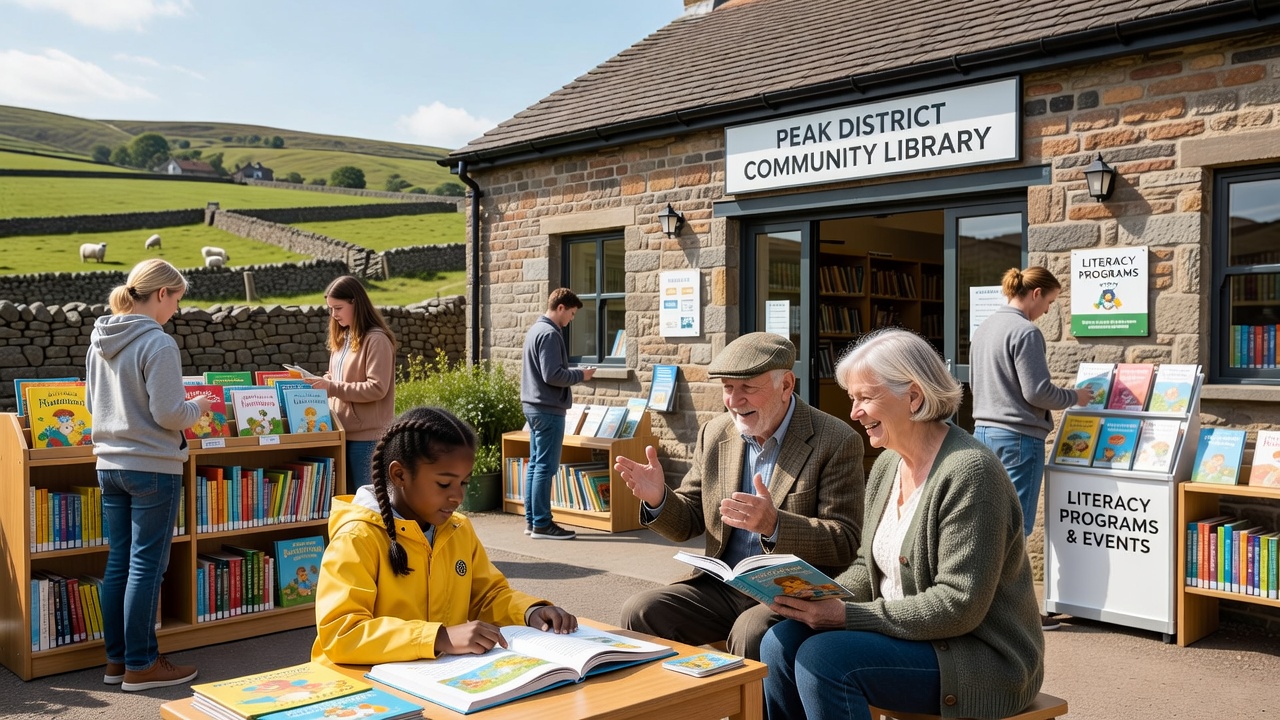
Local authorities partnered with community groups to convert village halls and former school buildings into satellite library points, and these sites now host weekly story sessions alongside digital literacy workshops. Figures from the Derbyshire County Council indicate that 47 new community-run locations opened between 2015 and 2023, serving populations under 2,000 residents each. Researchers at the University of Sheffield documented how these outposts reduced average travel time to borrow books from 45 minutes to under 15 minutes for many households.
And participation rates climbed steadily, with over 28,000 registered users in rural postcodes by mid-2025. Programs include intergenerational reading pairs and homework support clubs that operate year-round, whereas seasonal events tie into harvest festivals and local history talks to maintain engagement.
Targeted Literacy Initiatives and Partnerships
Community libraries introduced structured reading challenges and book clubs that focus on phonics for early learners and functional literacy for adults returning to education. One study revealed that 62 percent of participants in these programs reported increased confidence in daily reading tasks after six months. Partnerships with regional schools allowed shared access to e-readers and audiobooks, while funding from the National Lottery Heritage Fund supported the purchase of large-print collections for older residents.
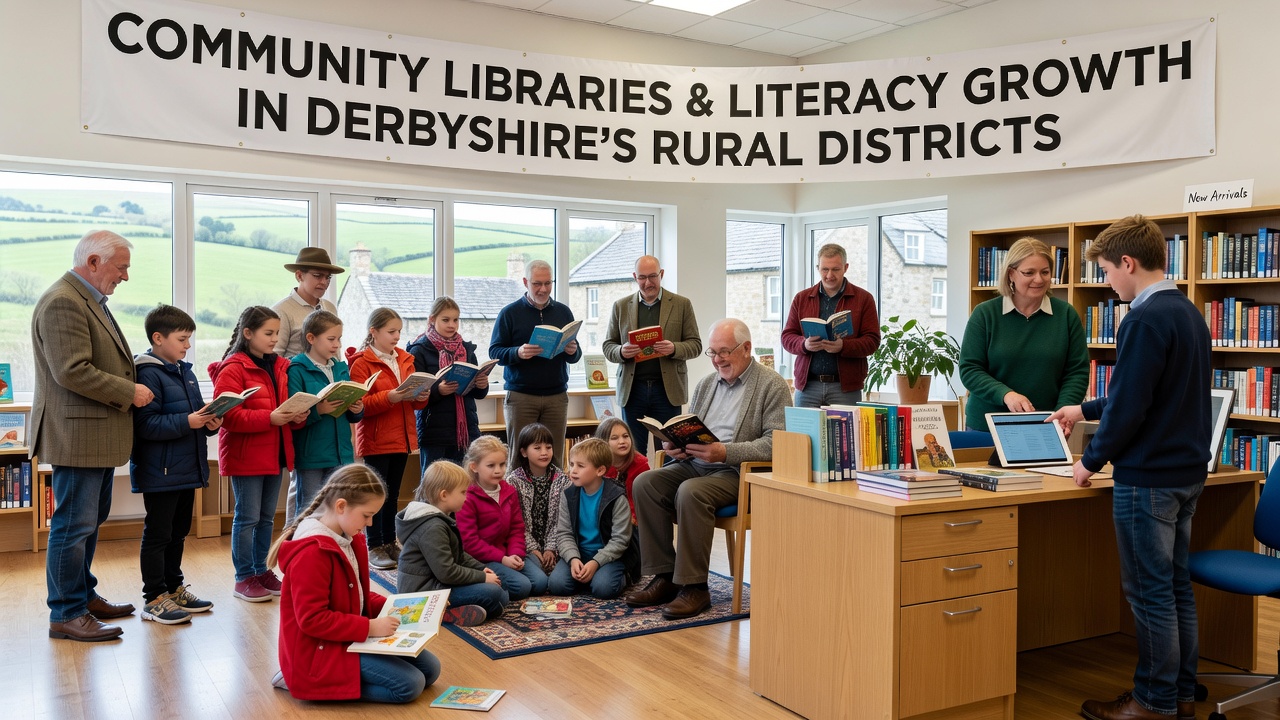
What's notable is the integration of these services with transport schemes that deliver books to farmsteads and care homes on fixed schedules. Observers note that such logistics proved essential in districts where broadband coverage lags behind urban averages, yet printed materials continue to fill that gap effectively.
Measured Outcomes Through 2025 Data
Statistics compiled by the Office for National Statistics link the library expansions to a 19 percent drop in residents reporting difficulty with form-filling and basic comprehension tasks. In October 2026, several districts plan to launch a coordinated digital lending pilot that builds on existing print collections, allowing users to access titles via apps while maintaining physical hubs for those without devices. Evidence from similar rollouts in other UK regions suggests uptake could reach 35 percent of current borrowers within the first year.
Case examples include the Hope Valley network, where weekly attendance at toddler reading groups rose from 40 to 120 children between 2018 and 2024, and the Tideswell site, which recorded a tripling of adult basic skills enrolments after introducing volunteer-led tutoring. These patterns appear consistently across multiple villages according to council monitoring reports.
Role of Volunteer Networks and Resource Sharing
Volunteers trained through accredited courses now staff most community sites, and this model keeps operational costs 40 percent below those of fully staffed branches. Resource sharing agreements with larger libraries in Derby and Chesterfield ensure fresh stock rotates regularly, while interlibrary loan systems extend reach to specialist titles. Data indicates that 78 percent of rural users accessed materials they could not obtain locally before these networks formed.
Researchers from the Canadian Urban Libraries Council have examined comparable rural models and found parallel gains in engagement when community ownership combines with centralized support, and those findings echo patterns observed in Derbyshire's setup. Turnout at joint events such as author visits and literacy festivals continues to grow, with 2025 attendance figures exceeding 4,200 across 12 villages.
Future Developments Planned for October 2026
Preparations for October 2026 include expanded family literacy packs distributed through schools and libraries, alongside training sessions on using public computers for job applications and benefits claims. Projections based on current trends estimate an additional 8 percent rise in overall literacy proficiency by 2028 if participation holds steady. These steps build directly on infrastructure already in place rather than requiring new construction.
Conclusion
Community libraries have contributed to documented literacy gains in Derbyshire's rural districts through sustained access programs, volunteer coordination, and targeted partnerships that address geographic barriers. Continued monitoring through 2026 and beyond will track how new digital elements integrate with existing services to maintain momentum.