Yves Hoffmann · 12 October 2026
Derbyshire's Former Railway Lines Transformed into Wildlife Corridors
Derbyshire once operated an extensive network of railway lines that connected industrial sites and rural communities across the Peak District and surrounding valleys yet many of these routes closed during the mid twentieth century and lay dormant for decades until local authorities and conservation groups began converting the disused tracks into wildlife corridors. These linear habitats now stretch for dozens of miles and link fragmented woodlands meadows and wetlands while allowing species movement that would otherwise remain blocked by roads and farmland. Researchers have documented steady increases in plant diversity along the corridors since the conversions began in the early two thousands and the same routes have become focal points for repeated biodiversity surveys carried out by residents.
Historical Routes and Conversion Process
Lines such as the former Cromford and High Peak Railway and sections of the Manchester Buxton Matlock and Midlands Junction Railway provided the physical base for the new corridors because their embankments cuttings and bridges already created sheltered microclimates with varied soil conditions. Local councils acquired the land through heritage and green infrastructure programmes then removed ballast installed drainage features and seeded native grasses and herbs while contractors preserved the original stone bridges and tunnel portals as landscape features. Data collected by Derbyshire County Council shows that more than forty kilometres of track bed had been reopened to public access as multi use trails by the end of twenty twenty five and that figure continues to grow as additional segments receive funding.
Orchid Populations Take Hold
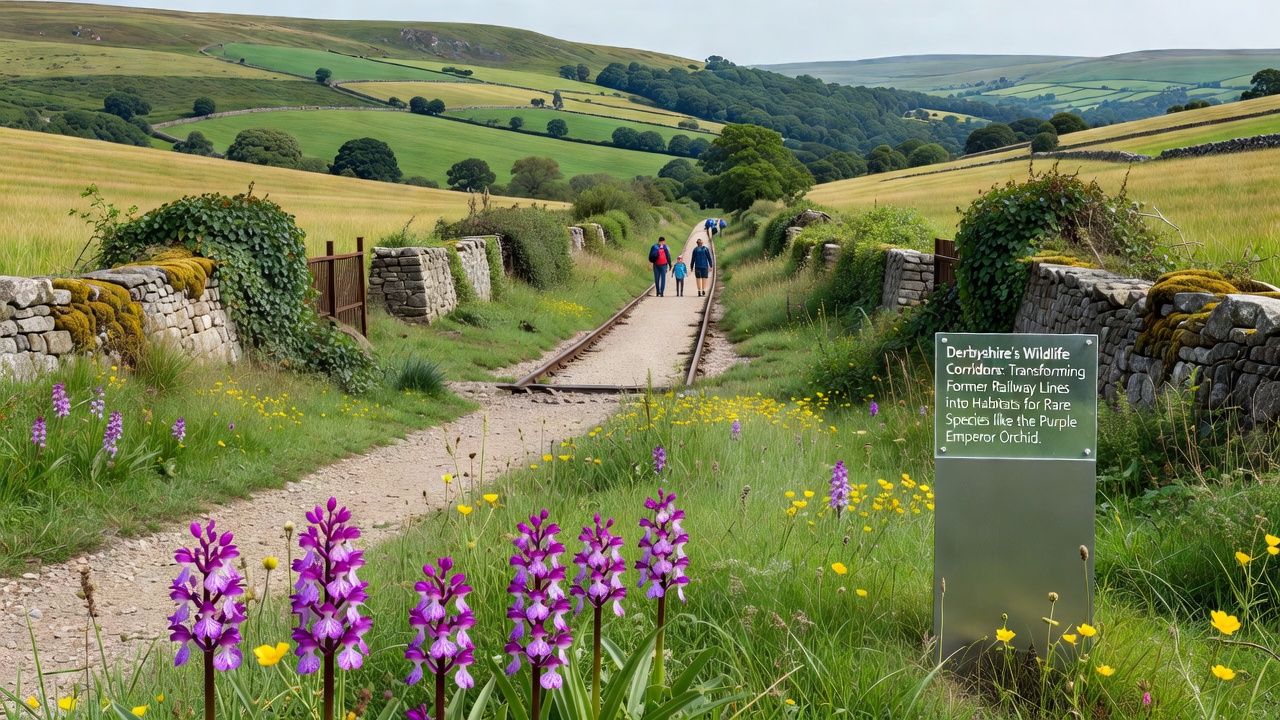
Botanical surveys conducted along the corridors have recorded several nationally scarce orchid species including the dark red helleborine and the green winged orchid both of which favour the well drained calcareous soils that remain on many old embankments. In one monitored stretch near Wirksworth counts rose from fewer than fifty flowering spikes in twenty eighteen to over three hundred by twenty twenty five indicating that the open sunny conditions created by regular path maintenance suit the plants. Observers note that the linear shape of the corridors allows wind dispersed seeds to travel between isolated colonies and that grazing by rabbits and occasional management by volunteers prevents taller vegetation from shading out the orchids. Comparable projects in other regions such as those documented by Australian government biodiversity reports show similar patterns when disused infrastructure is left largely undisturbed.
Community Led Surveys Drive Data Collection
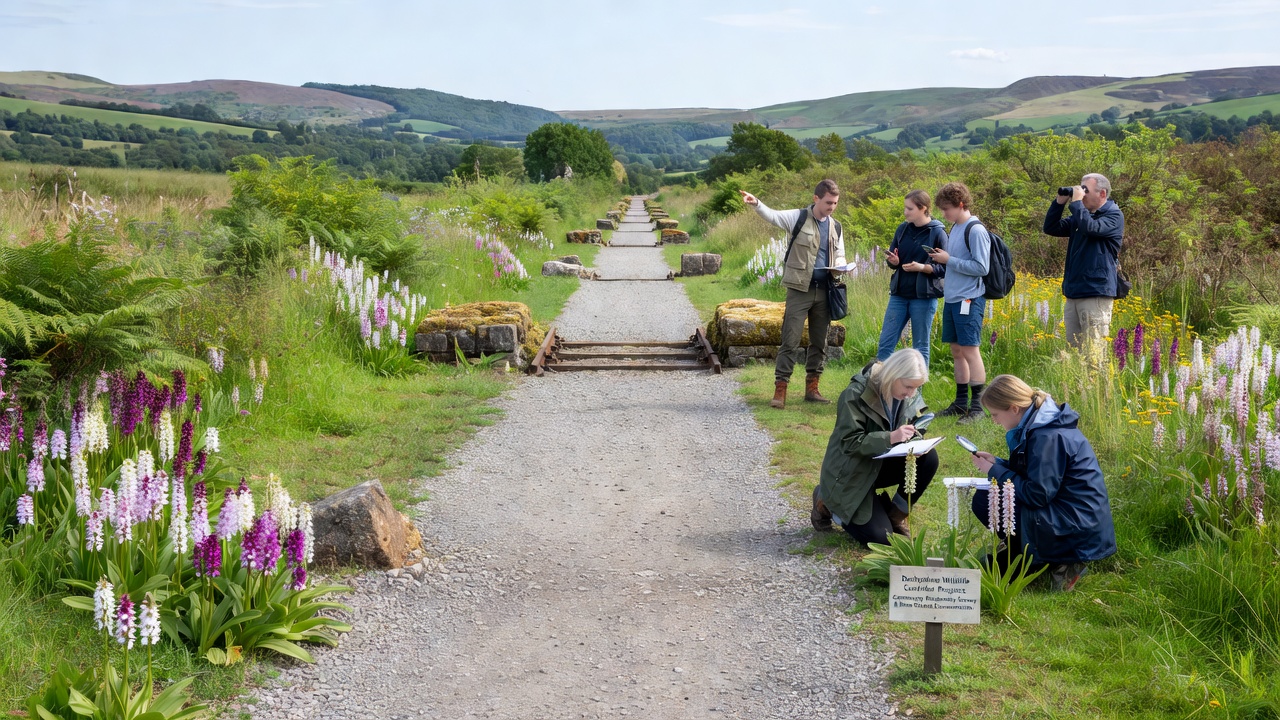
Volunteer groups organised through Derbyshire Wildlife Trust and parish councils now run monthly recording sessions that focus on fixed transects along the former lines. Participants use standardised protocols to log flowering plants insects and birds then upload results to a shared online platform that feeds into regional biodiversity databases. In October twenty twenty six the groups plan to publish a five year summary that will compare species richness on converted corridors with adjacent farmland and intact railway cuttings that remain closed to the public. Training sessions held in village halls cover identification of key indicator species and safety procedures for working near bridges and tunnels while equipment such as quadrats and hand lenses is loaned from a central store. The approach mirrors methods used in long running Canadian citizen science programmes coordinated by Environment and Climate Change Canada where repeated observations have revealed gradual range shifts linked to habitat connectivity.
Ecological Benefits and Species Interactions
The corridors function as stepping stones that connect larger nature reserves and allow pollinators and small mammals to cross otherwise inhospitable terrain. Butterfly transects have recorded increases in species such as the dingy skipper and the small pearl bordered fritillary both of which rely on the nectar sources and larval food plants that flourish on the disturbed ground beside the paths. Bird surveys show higher densities of linnet and yellowhammer along the vegetated embankments compared with nearby intensive pasture while bat detectors placed inside retained tunnels have logged consistent activity from pipistrelle and Daubenton species. Soil samples taken at regular intervals reveal that earthworm abundance remains higher on the old track beds than on surrounding arable fields because the compacted ballast prevents deep ploughing and chemical applications. These findings align with patterns reported in European linear habitat studies where former infrastructure supports elevated invertebrate biomass when mowing regimes stay light.
Management Challenges and Ongoing Work
Although the corridors deliver measurable gains in habitat connectivity they require continued intervention to control invasive species such as Himalayan balsam and to maintain sight lines for trail users. Funding comes from a mix of local authority budgets national lottery grants and payments for ecosystem services linked to carbon sequestration on the vegetated embankments. Seasonal work parties organised by community groups tackle scrub encroachment during winter months while summer months focus on orchid monitoring and visitor education events. Researchers continue to test different cutting heights and timings to determine which regime best supports both floral diversity and public access and preliminary results suggest that a single late summer cut followed by removal of arisings produces the strongest orchid response.
Conclusion
Derbyshire's repurposed railway lines illustrate how linear brownfield sites can support rare plant populations and generate consistent biodiversity data when local people participate in structured surveys. The corridors now form part of a wider green network that links protected areas while providing recreational routes and the October twenty twenty six data release will supply further evidence on long term species trends. Continued monitoring and adaptive management remain essential if the gains recorded so far are to persist.